
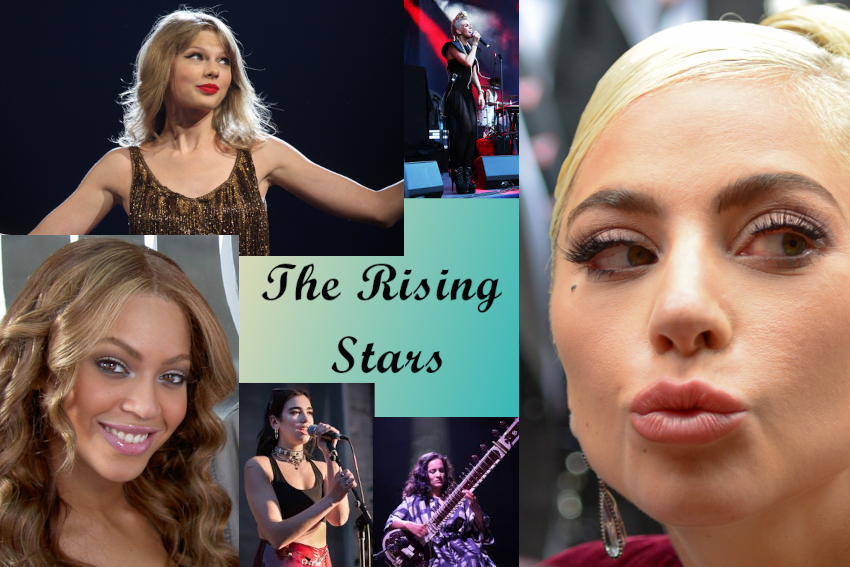
Happy International Women’s Day! Today is about more than just a date on the calendar; it’s a global standing ovation for the women who break barriers, disrupt industries, and—perhaps most viscerally—shape the soundtrack of our lives.


Happy International Women’s Day! Today is about more than just a date on the calendar; it’s a global standing ovation for the women who break barriers, disrupt industries, and—perhaps most viscerally—shape the soundtrack of our lives.
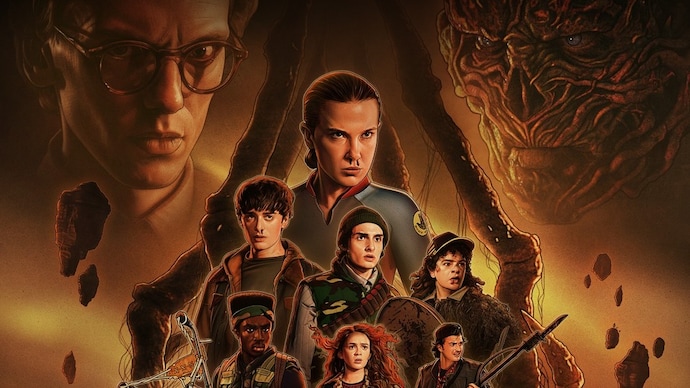
The Duffer Brothers have done it again. Just as they pulled Kate Bush’s “Running Up That Hill” out of the 1980s archives and thrust it into the top of the 2022 charts, the series finale of Stranger Things has triggered a massive tectonic shift in the music industry.
As the calendar turns toward February 2, 2026, the air in the music industry has grown thick with a familiar, electric tension. The 68th Annual Grammy Awards are less than three weeks away, and while the ballot is packed with talent, the narrative has narrowed down to a cinematic collision: The Kendrick Sweep vs. The Gaga Renaissance.


In an era defined by constant digital flux, a transformative shift is occurring at the heart of the music industry. The old paradigm—where major record labels acted as the sole gatekeepers to stardom—is dissolving. Today, a new class of powerful creators, independent artists, are not just finding success; they are actively dictating the terms of their own careers, leveraging social media virality and accessible digital tools to claim an ever-growing share of the global music market. This fundamental change is more than a fleeting trend; it is a full-scale revolution powered by technological democratization, challenging every established notion of music production, distribution, and consumption.

2025 is shaping up to be one of the most transformative years the U.S. music industry has seen in decades — not because one superstar dominated every chart, but because the ecosystem itself is changing.

 Select Option
 dearVR PRO 2