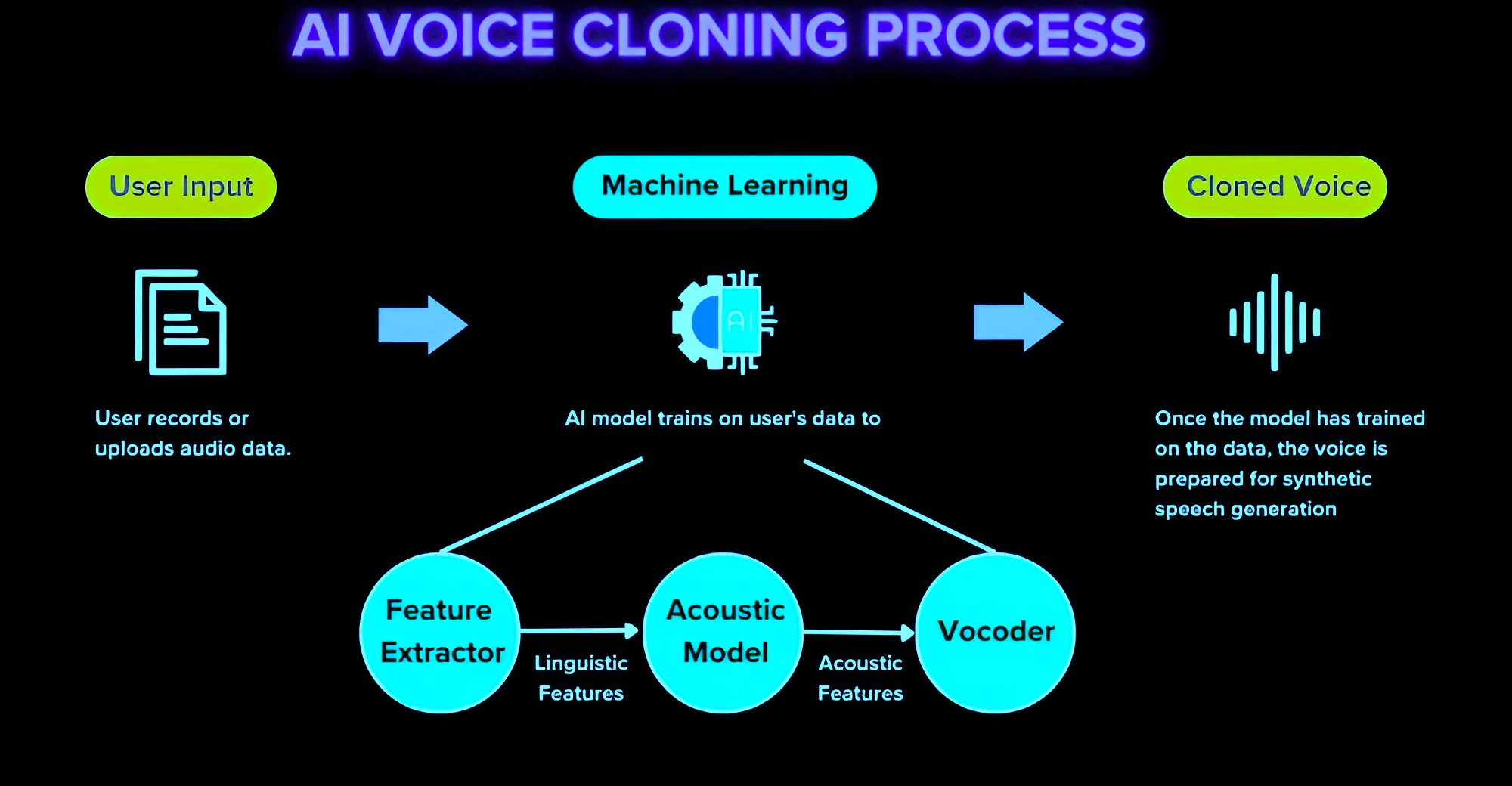
Artificial Intelligence is no longer limited to generating text or images—it is now transforming the very fabric of sound. From composing original music to cloning human voices with astonishing precision, neural audio synthesis is redefining how we create and experience audio. But with great innovation comes equally significant ethical and legal challenges.
The world of music production is undergoing a seismic shift. What once required years of technical expertise, expensive hardware, and trained ears can now be assisted—sometimes even accelerated—by machine learning. From automated EQ decisions to real-time mastering suggestions, AI-powered tools like LANDR and iZotope Ozone are redefining how producers approach mixing and mastering.This blog explores how machine learning is transforming the final stages of music production—making them faster, smarter, and more accessible than ever.
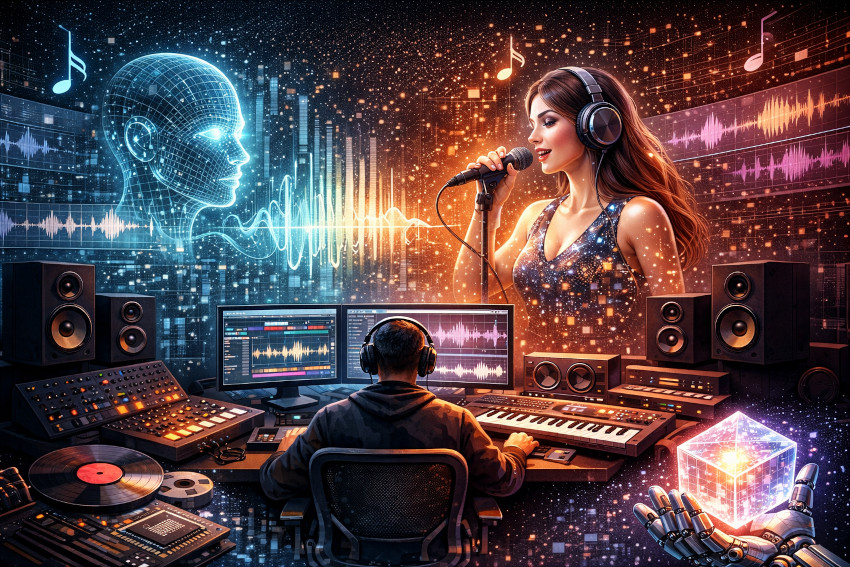
In 2026, the “uncanny valley” of music production has finally been bridged. We are no longer in the era of garbled vocal artifacts and messy MIDI transitions. Today, the top-tier High-Fidelity Generative Models are producing audio so pristine that professional producers in the USA aren’t just using them for inspiration—they are treating the output as high-grade “raw material” to be sampled, chopped, and polished into Billboard-ready hits.
Here is an in-depth look at the heavy hitters defining the “Studio-Quality AI” era of 2026.
The beat. It’s the heartbeat of your track, the rhythmic engine that drives emotion and energy. While drum machines and programming have long dominated electronic music, producers are increasingly turning to the electronic drum kit to inject organic flair, dynamic humanism, and unique textures into their productions. This isn’t just about recording a performance; it’s about leveraging the e-kit’s unique capabilities—MIDI control, velocity sensitivity, and instant sound layering—to push rhythmic boundaries.
Signal Chain Sleuth: Deconstructing the Iconic Tame Impala Drum Reverb
Welcome back to Signal Chain Sleuth, the series where we peel back the layers of iconic sound design to reveal the technical secrets beneath. We’re not here for history lessons—we’re here for the how-to.
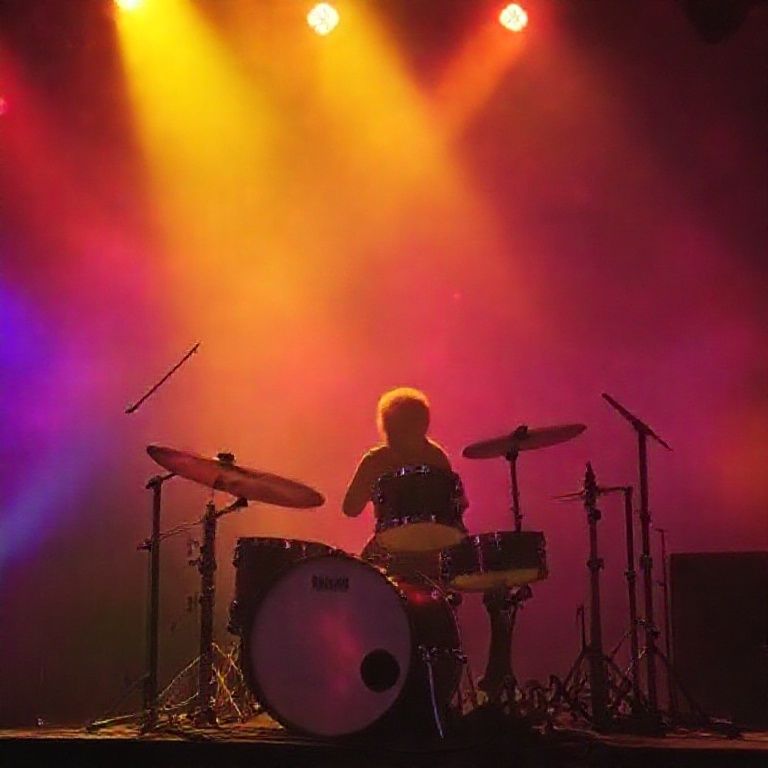
Today, we’re tackling one of the most recognizable and defining elements of modern psychedelic rock: The massive, cavernous, yet oddly immediate drum reverb popularized by Tame Impala.
We use cookies to ensure that we give you the best experience on our website. If you continue to use this site we will assume that you are happy with it.





 dearVR PRO 2