
Tempo (time-stretch): Changes the sound to play at a faster or slower speed than the original, without affecting the sound pitch. Here without affecting the sound pitch means the pitch of the signal is intact while changing its speed (tempo).
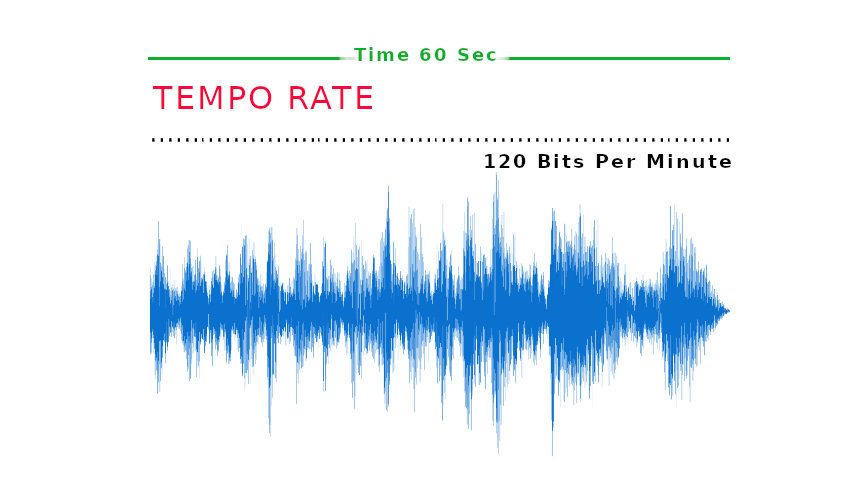

Tempo (time-stretch): Changes the sound to play at a faster or slower speed than the original, without affecting the sound pitch. Here without affecting the sound pitch means the pitch of the signal is intact while changing its speed (tempo).

Virtual studio technology [VST] is an audio plugin software interface which can be integrates into digital audio worksations[ DAW]. These plugins can be in the form of Virtual Instruments (e.g. Synths, Drum Machines), Effects (e.g. Distortion, Reverb), or MIDI effects.
Velocity is a measure of how quickly one can move in a given direction. In the context of DAWs, it refers to how quickly the sound wave can be manipulated. Sound Volume or gain is related to amplitude; where as velocity is related to speed or motion.

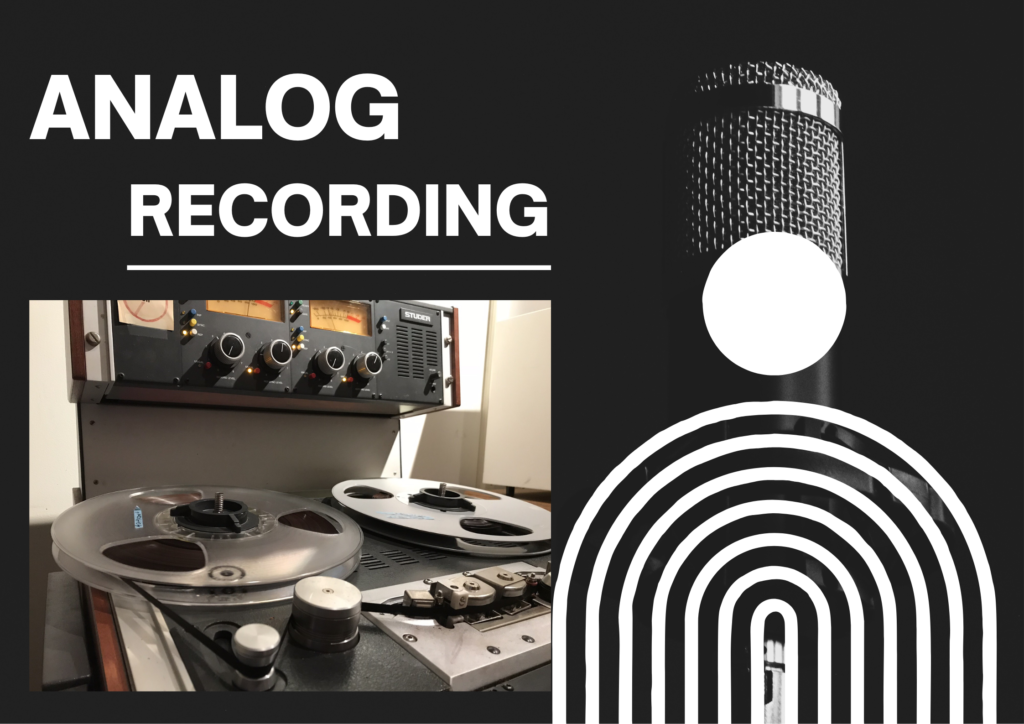
Analog dirt is the distortion that results from the physical limitations of analog recording media. It is a type of noise that is introduced when a signal is transferred to a medium with a lower resolution. then the original. This noise manifests itself as a crackling, hiss, background buzz, or hum. Dirt is produced by electrical and mechanical components of the recording hardware and other physical sources such as vibrations in the room, microphone movement, and humidity changes due to weather.
In this blog we will discuss the basic requirements and setup to create an audio plugin. An audio plugin means that runs as VST, VST3, AU, RTAS, AAX in a host application like , Apple Mainstage, Logic or REAPER. A VST host can be a DAW or a dedicated software program just for running VSTs.
Basically there are two types of environment we can adopt to create a audio plugin.




 Select Option
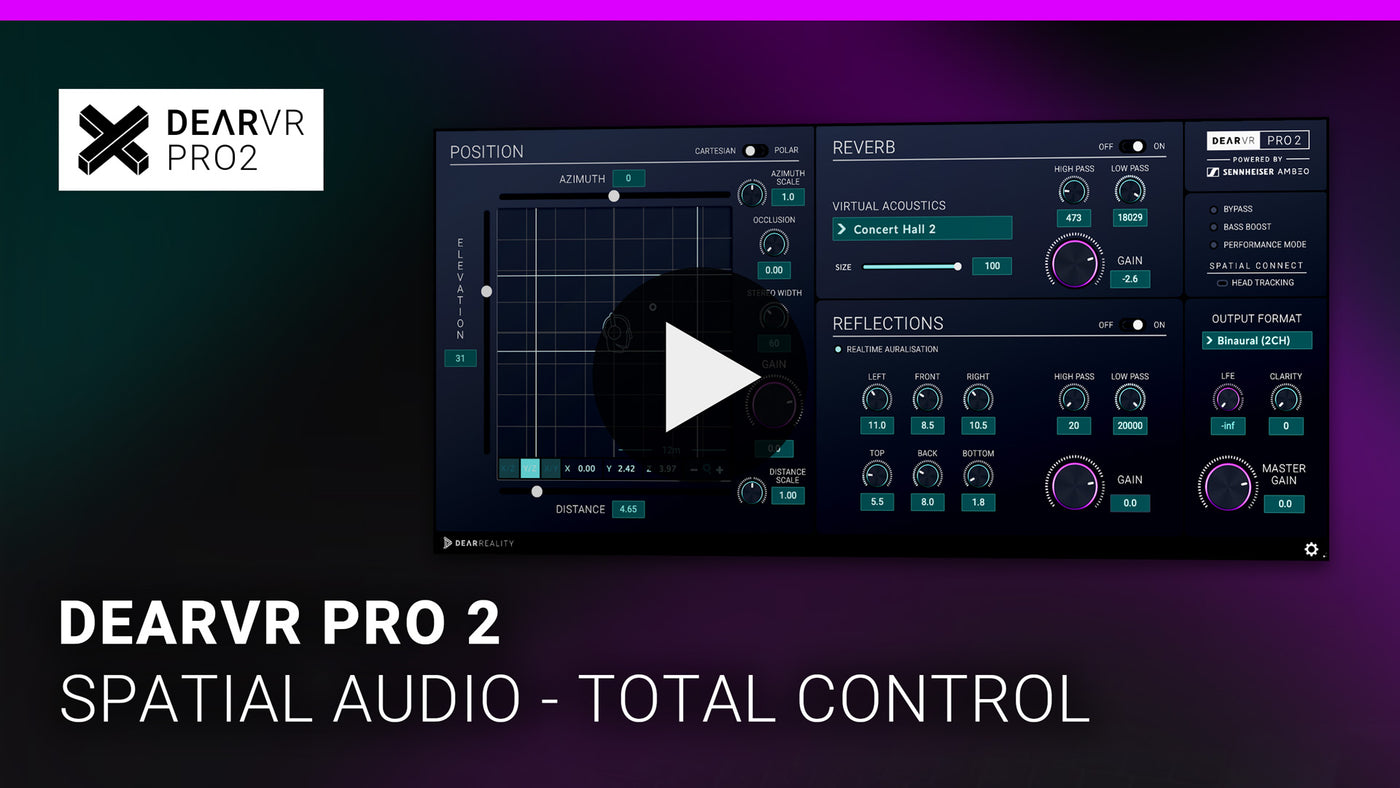 dearVR PRO 2