

As the calendar turns toward February 2, 2026, the air in the music industry has grown thick with a familiar, electric tension. The 68th Annual Grammy Awards are less than three weeks away, and while the ballot is packed with talent, the narrative has narrowed down to a cinematic collision: The Kendrick Sweep vs. The Gaga Renaissance.
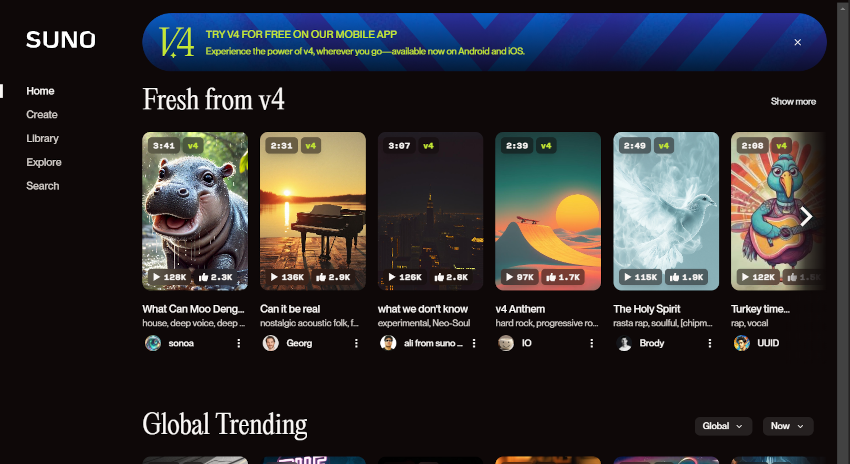
In an era defined by constant digital flux, a transformative shift is occurring at the heart of the music industry. The old paradigm—where major record labels acted as the sole gatekeepers to stardom—is dissolving. Today, a new class of powerful creators, independent artists, are not just finding success; they are actively dictating the terms of their own careers, leveraging social media virality and accessible digital tools to claim an ever-growing share of the global music market. This fundamental change is more than a fleeting trend; it is a full-scale revolution powered by technological democratization, challenging every established notion of music production, distribution, and consumption.
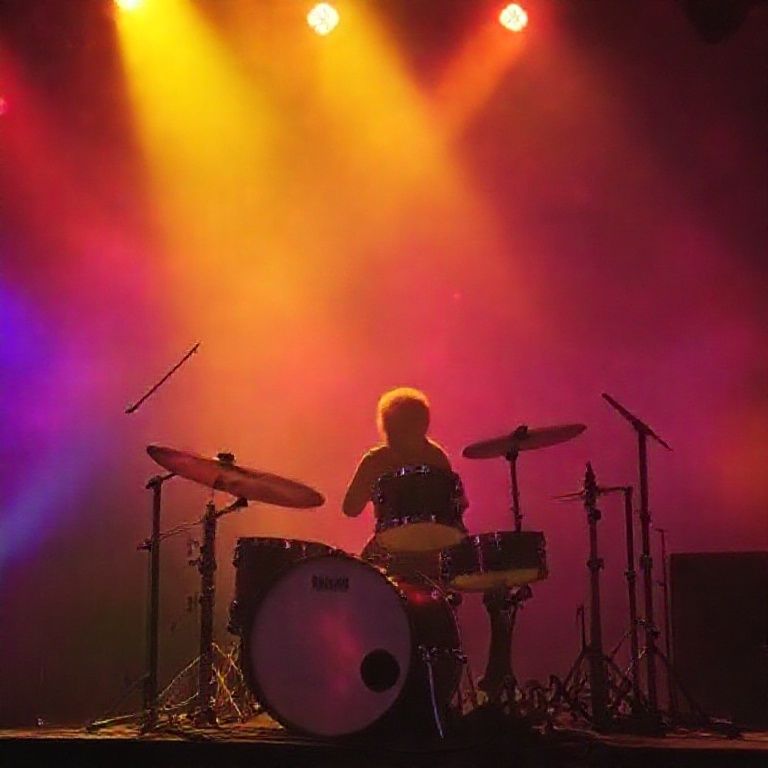
The beat. It’s the heartbeat of your track, the rhythmic engine that drives emotion and energy. While drum machines and programming have long dominated electronic music, producers are increasingly turning to the electronic drum kit to inject organic flair, dynamic humanism, and unique textures into their productions. This isn’t just about recording a performance; it’s about leveraging the e-kit’s unique capabilities—MIDI control, velocity sensitivity, and instant sound layering—to push rhythmic boundaries.
Signal Chain Sleuth: Deconstructing the Iconic Tame Impala Drum Reverb
Welcome back to Signal Chain Sleuth, the series where we peel back the layers of iconic sound design to reveal the technical secrets beneath. We’re not here for history lessons—we’re here for the how-to.
Today, we’re tackling one of the most recognizable and defining elements of modern psychedelic rock: The massive, cavernous, yet oddly immediate drum reverb popularized by Tame Impala.
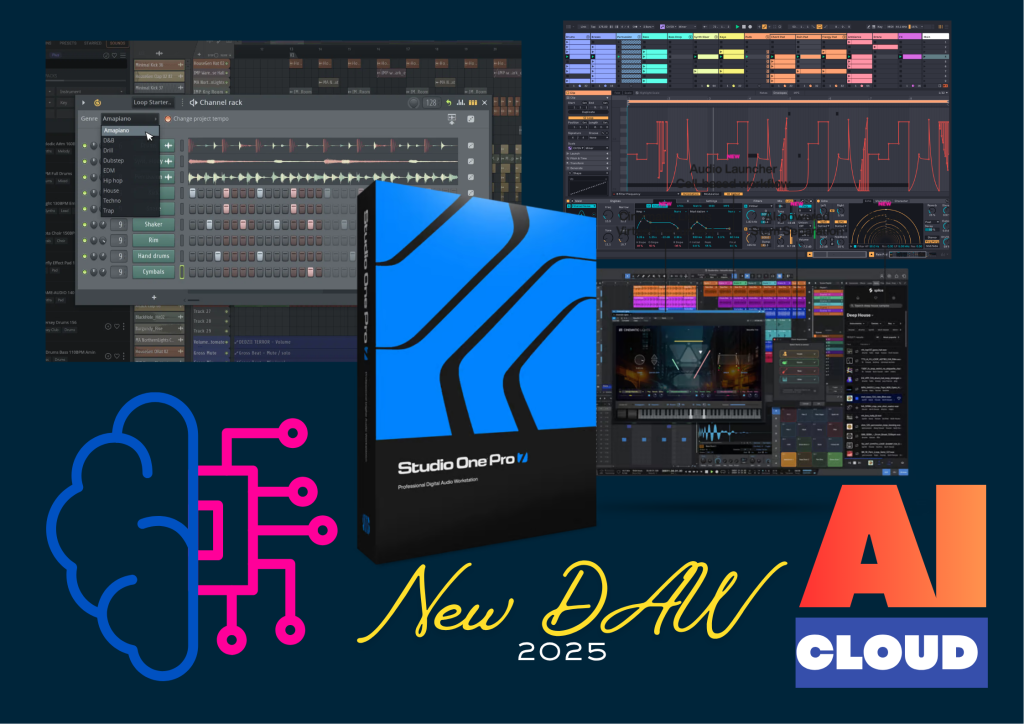
The landscape of Digital Audio Workstations (DAWs)—the central software for music production—is undergoing its most transformative shift in a decade. As we move through 2025, the focus is less on completely “new” flagship DAWs and more on the re-engineering of existing, trusted platforms with a heavy reliance on three key technological pillars: Artificial Intelligence (AI), Immersive Audio, and Cloud-Based Collaboration.
We use cookies to ensure that we give you the best experience on our website. If you continue to use this site we will assume that you are happy with it.