


Air particles do not travel in any motion. They oscillate around a point in space. The rate of this oscillation is known as the frequency of the sound wave and is denoted in cycles per second (cps) or hertz (Hz). The amount of compression/rarefaction of the air is the amplitude of the it.
Sound is a vibration that generates an acoustic wave. The distance between consecutive peaks of compression or rarefaction is the wavelength of the sound wave (denoted by λ). Fast traveling wave results on a greater λ
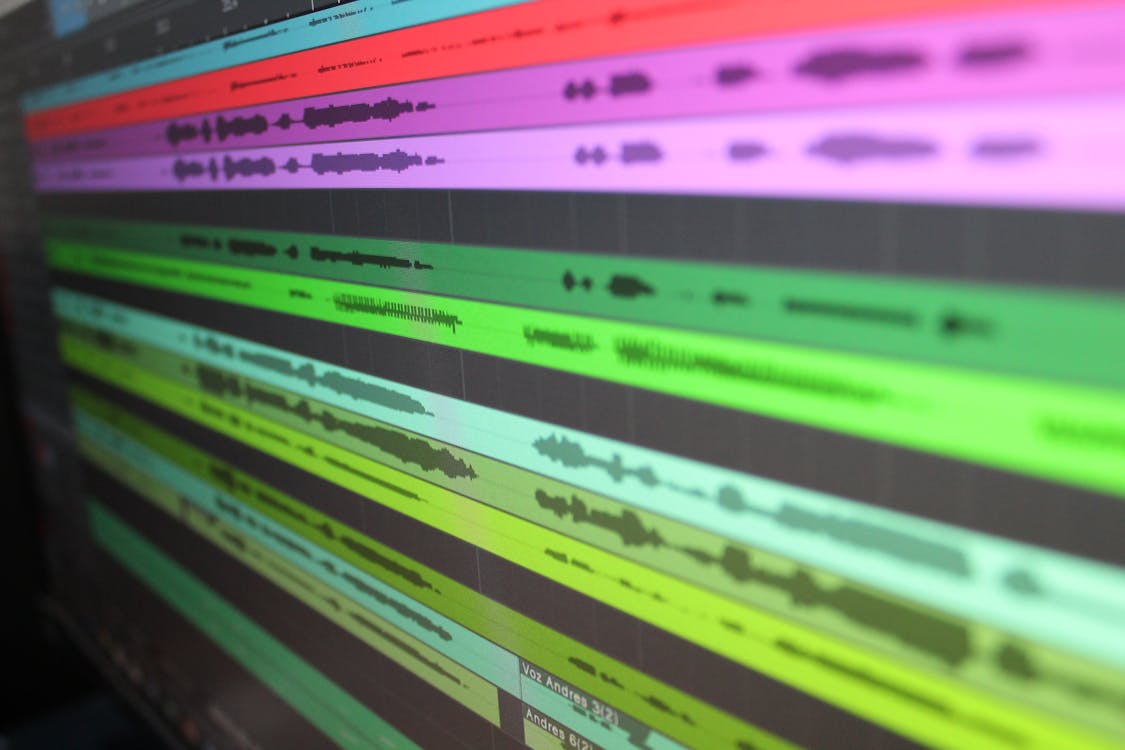
Photo by Jerson Vargas from Pexels: https://www.pexels.com/photo/close-up-of-sound-waves-on-a-computer-screen-4765390/
When we make music, we need to define a set of tuning-frequencies. Such a set of frequencies often called a scale. Before get into the topic MIDI & equal tempered scale we will discuss on basics.
In western music, the most popular scale is the equal tempered scale which is based on starting at some reference-frequency. The equal tempered scale is relatively fixed scale used for the tuning of pianos and other instruments.
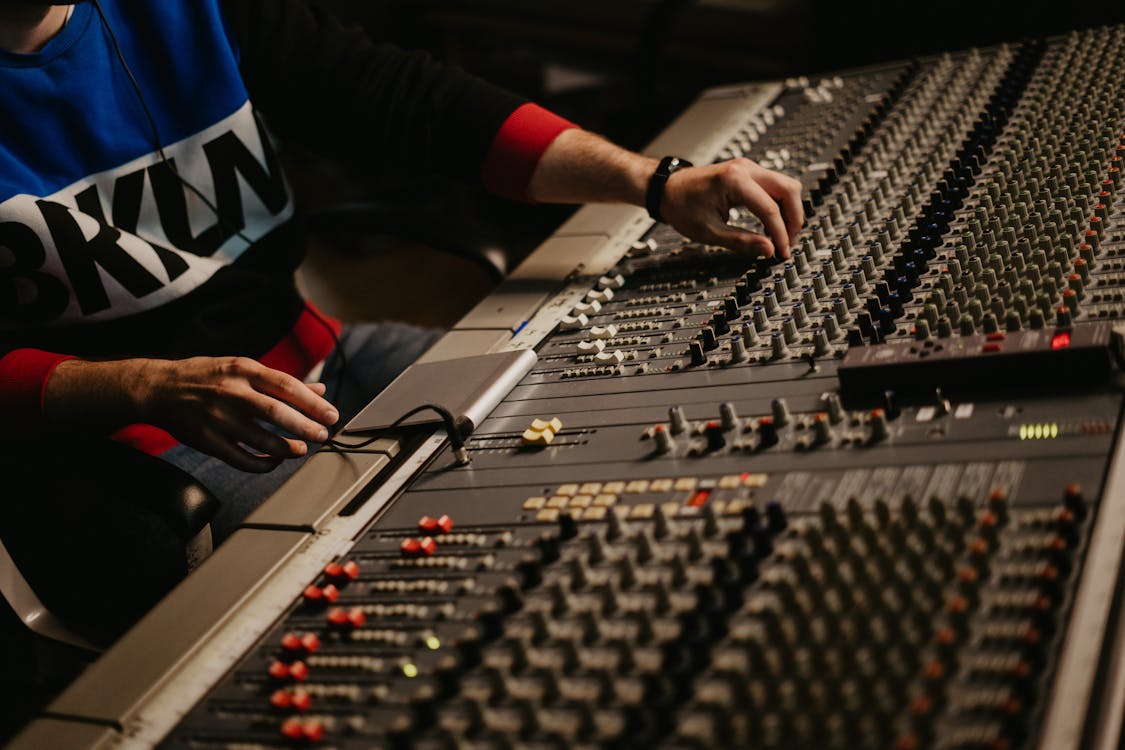
Photo by Tima Miroshnichenko from Pexels: https://www.pexels.com/photo/a-sound-engineer-on-the-control-panel-of-a-recording-studio-4988131/
Photo by cottonbro from Pexels: https://www.pexels.com/photo/a-person-playing-keyboard-synthesizer-7096811/
As Musicians, Producers, Audio Engineers you should know about the basic different between Sampler , synthesizer . During music porduction If you grab a synth instead of a sampler, the output result may give you the ugly sound. Below we are discussing about the relation or differentiation between Synthesizer, Sequencer and Sampler. First you will get brief introduction of the three.
A audio or sound format & file is a file format for storing digital audio data on a computer system. There are several different sound format & file. Each sound file contain some header information.
We use cookies to ensure that we give you the best experience on our website. If you continue to use this site we will assume that you are happy with it.