
Recent Posts
Search Topic



Music has long held a profound influence in shaping the course of societal movements and driving meaningful change within communities. From rousing protest songs that echo the cries for justice to anthems that unite voices in solidarity, the intersection of music and social movements is a rich tapestry woven with passion, purpose, and power.
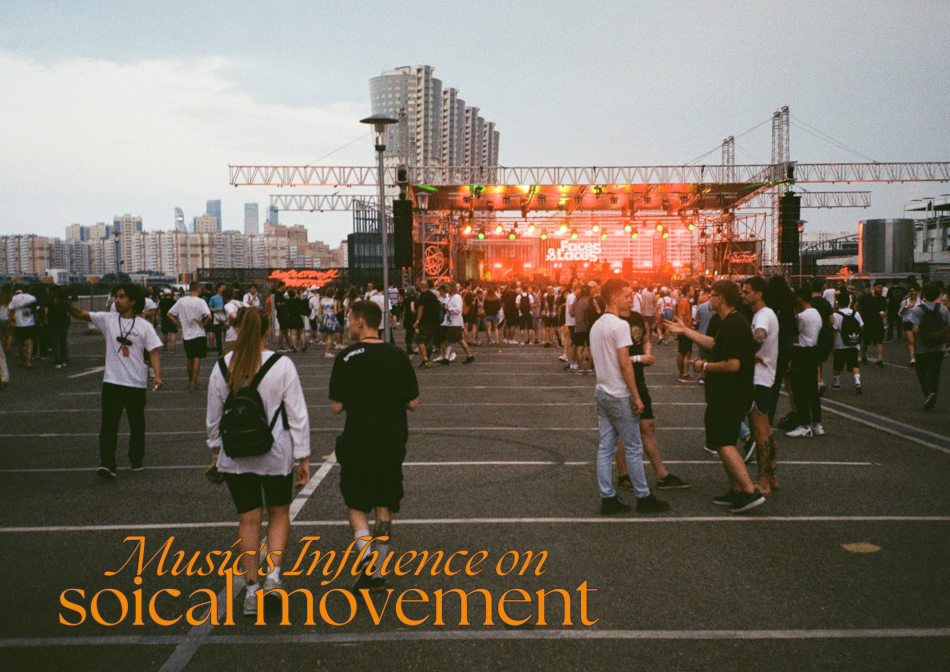
This article delves into the dynamic role of music as a catalyst for social transformation, exploring its historical significance, its function as a tool for protest and resistance, and its ability to amplify voices and stories that might otherwise go unheard. Join us on a journey through the melodies and rhythms that have mobilized and inspired change throughout history and continue to resonate in the pursuit of a more just and equitable world.
When it comes to social change, music isn’t just background noise—it’s a megaphone for messages that can shape society’s narrative.
Music and social change go together like peanut butter and jelly, with tunes often serving as the soundtrack to movements that challenge the status quo.
From ancient chants to protest anthems, music has been influencing social change long before Spotify playlists were a thing.
Think of iconic moments like Woodstock or the Civil Rights Movement—music wasn’t just background noise; it was a driving force for change.
Protest songs aren’t just catchy tunes; they’re powerful tools that challenge authority and inspire action in the face of injustice.
From Bob Dylan to Beyoncé, music has evolved into a potent form of resistance that speaks truth to power and empowers marginalized voices.
Music has the magical ability to mobilize masses, turning passive listeners into active participants in movements for change.
Whether punk rock or gospel, music transcends boundaries to bring together diverse voices in harmony for a common cause.
Music has a magical way of weaving narratives that resonate deeply with audiences. In social movements, songs become powerful tools for conveying stories of struggle, resilience, and hope, connecting people on an emotional level.
One of music’s superpowers lies in its ability to amplify voices that are often marginalized or silenced. Through melodies and lyrics, underrepresented communities find a platform to share their experiences, challenges, and aspirations with the world.
While music can be a force for positive change, it’s essential to navigate ethical dilemmas that arise when utilizing it in activism. Questions around appropriation, consent, and representation must be carefully considered.
The intersection of music, politics, and commercial interests can be a tricky terrain to navigate. Balancing artistic integrity with external pressures requires a delicate dance to ensure that the core message of the movement remains authentic.
From the civil rights movement to LGBTQ+ rights advocacy, numerous social movements have been fueled by the anthems and melodies that galvanized communities into action. Exploring these case studies offers valuable insights into music’s impact on driving social change.
Measuring the tangible outcomes of music-led initiatives in social change efforts is crucial for understanding the effectiveness of this form of activism. Analyzing the ripple effects that music triggers can shed light on its significance as a catalyst for transformation.
As society evolves, so does the relationship between music and activism. Exploring emerging trends in how music is used to mobilize, educate, and inspire change can provide a glimpse into the future of social movements.
Looking forward, innovating how music is leveraged in social movements holds immense potential. Whether through technology, collaboration, or new genres, exploring innovative strategies can unlock fresh possibilities for driving impactful change. As we reflect on the profound impact of music in social movements, it becomes clear that its role goes far beyond mere entertainment—it is a driving force for unity, empowerment, and change. From protest to performance, music has the power to transcend boundaries, amplify voices, and ignite the flames of activism. As we look towards the future, let us harness the transformative potential of music to continue driving progress, sparking dialogue, and fostering a more inclusive and equitable society for all. In the harmonies and rhythms of our collective voices, we find the strength to march forward, inspired by the enduring legacy of music in social movements.

 Select Option