

Source:
greatsynthesizers.com



The Duffer Brothers have done it again. Just as they pulled Kate Bush’s “Running Up That Hill” out of the 1980s archives and thrust it into the top of the 2022 charts, the series finale of Stranger Things has triggered a massive tectonic shift in the music industry.
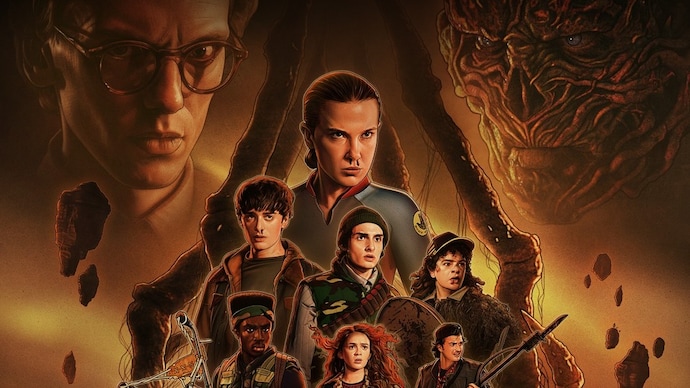
As we close the book on Hawkins, Indiana, in 2026, the cultural ripples aren’t just about the plot—they’re about the sonic legacy being handed down to a new generation.
The Stranger Things series finale has triggered more than just fan theories—it has fundamentally shifted music production trends. By resurrecting icons like Prince and David Bowie, the show is teaching a new generation of creators that “analog soul” is the key to a 2026 hit.
While Prince has always been a titan of music, his presence in the series finale has transformed “Purple Rain” from a classic anthem into a modern-day funeral march for our favorite characters.
Gen Z Perspective: On TikTok and Reels, the “Purple Rain” aesthetic—misty filters, lace, and neon purple lighting—has become the primary way fans are expressing their “post-series depression.”
The Emotional Hook: Used during the climax of the finale, the soaring guitar solos of “Purple Rain” have become the soundtrack for fan-made tribute edits.
The Stats: Streams for “When Doves Cry” have spiked by over 450% since the finale aired.
If Prince provided the grief, David Bowie provided the triumph. Using “Heroes” in the final episodes wasn’t just a needle drop; it was a thematic full circle.
“We can be heroes, just for one day.”
This line has resonated deeply with a demographic currently facing a complex real-world landscape. By linking Bowie’s glam-rock defiance to the bravery of the Hawkins crew, the show has made “Heroes” the official anthem of 2026’s “Main Character Energy.”
The Stranger Things effect works because it treats music as a character, not just background noise.
The viral explosion of “Purple Rain” has challenged the “short-song” meta. Producers are moving away from 2-minute loops and returning to:
With “Heroes” dominating the global top 10, the “perfection” of AI-tuned vocals is losing ground Bowie’s style of raw, layered vocal takes.
SEO Tip: Creators are currently searching for “Bowie-style vocal chains” and “gated reverb tutorials” more than ever before.
The finale has proven that while the monsters of the Upside Down might finally be gone, the music they brought with them is immortal. We aren’t just watching TV anymore; we’re witnessing the permanent curation of the global “Cool” canon.



 Select Option